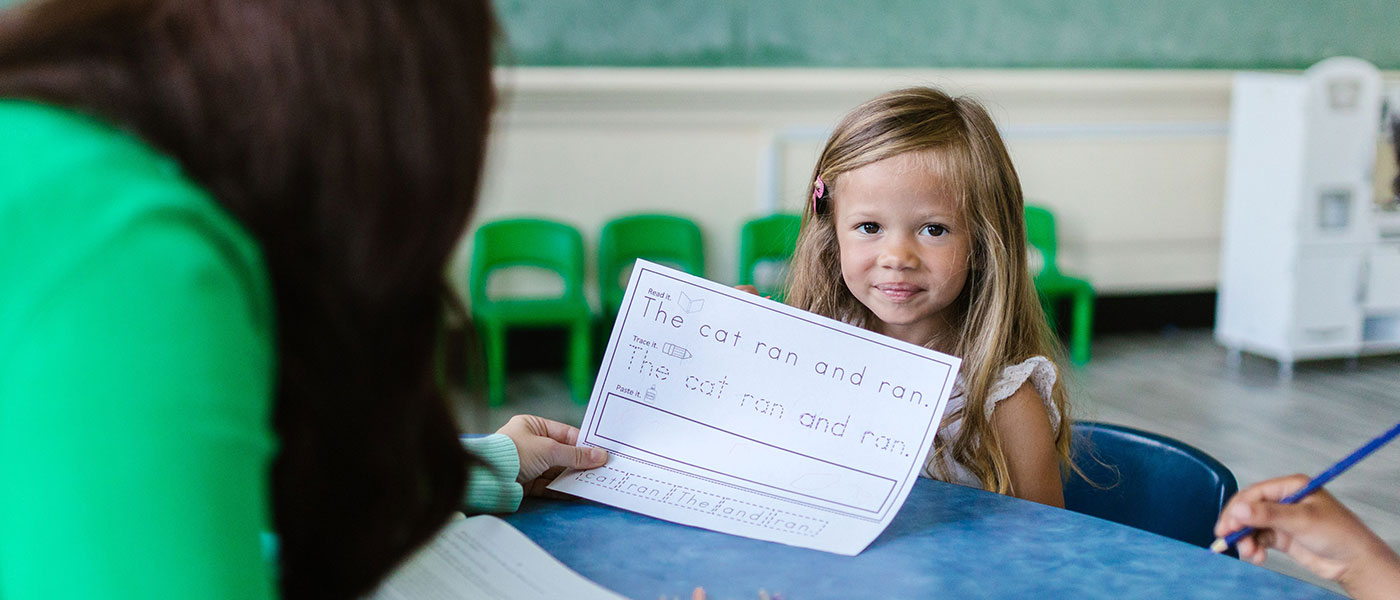

Over the past decade, a growing body of research has examined the impact of Goalbook Toolkit on educator practice and student outcomes. Goalbook Toolkit is a holistic, research-based solution that builds educator capacity to develop cohesive, high-quality IEPs and implement them with more effective specially designed instruction. Goalbook’s holistic approach blends technology with comprehensive professional development, services, and support that empower districts to intentionally invest in developing their most impactful instructional lever: their educators. Multiple studies conducted between 2021 and 2024 have consistently found a positive relationship between educators’ usage of Goalbook Toolkit and improvements in their students’ literacy skills. This summary highlights key findings from the studies and explores the implications for special educators and school leaders.
Overview of Literacy-Focused Research Studies
Between 2021 and 2024, several rigorous studies examined the relationship between educators’ Goalbook Toolkit usage and student literacy outcomes:
- A 2021 study led by researchers at the University of Missouri examined the relationship between Present Levels quality of Goalbook Toolkit educators and student learning in literacy and mathematics across 23 Missouri school districts.
- A 2022 study conducted by researchers at the University of North Carolina at Greensboro SERVE Center evaluated Goalbook implementation across North Carolina school districts in comparison to like-districts without access to Goalbook Toolkit.
- Follow-up studies in 2023 and 2024 built on these initial findings, examining longer-term impacts and implementation across additional states. These studies included Prince George’s County Public Schools in Maryland (2023), an anonymous Texas public school district (2024), and National Heritage Academies, a multi-state charter organization (2024).
While the specific methodologies of these five studies varied, all were quasi-experimental designs comparing outcomes for students whose educators/providers used Goalbook Toolkit to similar students whose educators/providers did not. The studies examined the quality of IEPs as well as student academic performance, with a focus on literacy outcomes.
Key Findings
Across multiple years of research, findings consistently suggest that educators’ usage of Goalbook Toolkit resources has a positive impact on their students’ literacy outcomes.
The 2021 University of Missouri study found that usage of Goalbook Toolkit was a significant predictor of Present Levels quality. Educators who used Goalbook Toolkit more frequently wrote Present Levels that scored higher on a validated rubric. Higher-quality Present Levels statements were linked to increased student achievement outcomes in reading and math for students in grades 1–11.
The 2022 University of North Carolina study highlighted that educators’ access to Goalbook Toolkit was associated with higher literacy gains for their students with special needs (grades 3–8) in comparison to student literacy outcomes in like-districts and like-schools whose educators did not have access to Goalbook Toolkit. Primary analyses focused on two years of implementation. Results in Year 2 increased over Year 1, suggesting student literacy gains likely increase over time with educators’ continued usage of Goalbook Toolkit.
The three subsequent studies in 2024 found similar outcomes across additional states, districts, and schools, consistently showing a positive relationship between educators’ Goalbook Toolkit usage and their students’ literacy outcomes.
Impact on Student Literacy Outcomes
Across multiple years and studies, researchers found a consistent positive relationship between educators’ Goalbook usage and their students’ literacy skills:
2021 Missouri Study:
- Special education students whose teachers used Goalbook had significantly higher reading scores compared to similar students whose teachers did not use Goalbook Toolkit.
- Students whose educators were in the highest Goalbook Toolkit usage category (90th percentile) grew 3.4 times more in reading than those whose educators were in the lowest usage category, based on FastBridge and STAR assessments.
- The positive impact on reading scores was seen across all subgroups examined, including students in different classroom settings, economically disadvantaged students, and students of different races/ethnicities.
2022 North Carolina Study:
- Students of educators who used Goalbook showed statistically significant gains in reading performance compared to the comparison group.
- The positive impact on reading scores held true for the overall sample as well as all examined student groups (gender, race, ethnicity, socioeconomic status).
- The effect size was 0.08 standard deviations, which corresponds to moving a student from the 25th to 27th percentile or from the 50th to 53rd percentile of the distribution.
- Increased Goalbook usage was associated with higher reading scores, with an additional 30 teacher-days of usage correlating to a 0.03 SD increase in reading performance.
- Longitudinal analyses suggested the literacy gains increased over time, with larger effects in Year 2 than Year 1.
Findings from three 2024 studies reaffirmed the positive impact on student literacy outcomes associated with educators’ Goalbook Toolkit usage. Effect sizes for reading performance remained in the 0.08–0.10 range across different states and samples. While the effect sizes may seem modest, they represent meaningful improvements in literacy skills that make a substantial difference in students’ academic trajectories. Weekly usage of Goalbook Toolkit was associated with significantly higher reading achievement — a 9-percentile gain on the state reading assessment — with the most significant impact on students eligible for free/reduced lunch (a 15-percentile gain). Higher quartiles of usage were associated with higher MAP Growth scores, and any Goalbook Toolkit usage compared to no usage was associated with higher state assessment scores.
Exploring Literacy Impact
The body of research from 2021–24 shows a clear and consistent relationship between educators’ usage of Goalbook Toolkit and improvements in their students’ literacy skills. Several potential explanations for this positive impact include:
- Higher quality IEPs: By supporting educators in writing clearer, more actionable IEPs, Goalbook Toolkit helps ensure that literacy instruction is tailored to and aligned with each student’s specific needs and goals.
- Access to research-based strategies: Goalbook Toolkit provides educators with a library of evidence-based literacy instructional strategies, aligned with legislative mandates related to the science of teaching reading.
- Increased focus on literacy: Literacy-related resources are the most frequently accessed in Goalbook Toolkit, reflecting the emphasis on literacy instruction across all grade levels and content areas.
- Improved progress monitoring: Goalbook Toolkit supports educators in writing measurable IEP goals and tracking progress, which may lead to more responsive literacy instruction.
- Enhanced educator self-efficacy: By providing comprehensive resources for more effective specially designed instruction, Goalbook Toolkit increases educators’ confidence in their ability to teach literacy skills aligned to students’ needs and goals.
While the exact mechanisms require further study, the consistent positive relationship across multiple years and contexts is promising for school, district, and state special education leaders seeking to improve literacy outcomes for students with disabilities.
Implications for Educators and Leaders
For Educators:
- Leverage Goalbook Toolkit to enhance IEP development, ensuring plans are tailored to support students’ specific literacy needs.
- Utilize the evidence-based literacy strategies in Goalbook Toolkit to strengthen specially designed instruction.
- Use Goalbook Toolkit’s progress monitoring tools to track student growth and adjust instruction as needed.
- Leverage Goalbook Toolkit resources across all grades and content areas, aligning Present Levels, IEP goals, and instructional strategies to improve student literacy outcomes.
For Special Education Leaders:
- Provide educators with time and support to fully utilize Goalbook Toolkit, recognizing that impact may increase over time.
- Consider coupling Goalbook Toolkit access with targeted professional development to maximize effectiveness.
- Monitor usage patterns to identify needed supports across schools.
- Use Goalbook Toolkit as part of a comprehensive approach to improving IEP quality and literacy instruction for students with disabilities.
For State Special Education Leaders:
- Consider statewide implementation of Goalbook Toolkit to ensure consistency and potentially stronger outcomes statewide.
- Monitor usage patterns to provide targeted support to districts and regions.
- Use Goalbook Toolkit as part of broader efforts to close achievement gaps for students with disabilities, particularly in literacy.
- Use Goalbook Toolkit as part of a comprehensive, consistent statewide approach to developing high-quality IEPs and implementing them with effective specially designed instruction.
- Consider how to support and incentivize the use of evidence-based resources that enhance special educator capacity and student achievement.
Conclusion
The body of research on Goalbook Toolkit conducted between 2021 and 2024 tells a consistent story: increased usage of Goalbook Toolkit is associated with higher quality IEPs and improved literacy outcomes for students with disabilities. The positive impacts on literacy performance have been replicated across multiple years, states, and student subgroups, providing strong evidence for Goalbook’s effectiveness.
For educators and school leaders, these findings suggest that Goalbook Toolkit enhances special education services and increases reading achievement for students with disabilities. Its support for IEP development, coupled with a library of evidence-based instructional strategies, empowers educators to more effectively meet the literacy needs of their students. The research indicates that it takes time for educators to fully integrate Goalbook Toolkit into practice, and that coupling implementation with targeted professional development may expedite and enhance its impact — especially within a comprehensive approach to special education and academic instruction.
As we look to the future, continued research can help refine our understanding of how to maximize Goalbook Toolkit’s impact and address other academic areas. The consistent positive relationship between Goalbook Toolkit usage and student literacy gains provides a promising path forward for educators and leaders seeking to improve outcomes for students with disabilities.
